
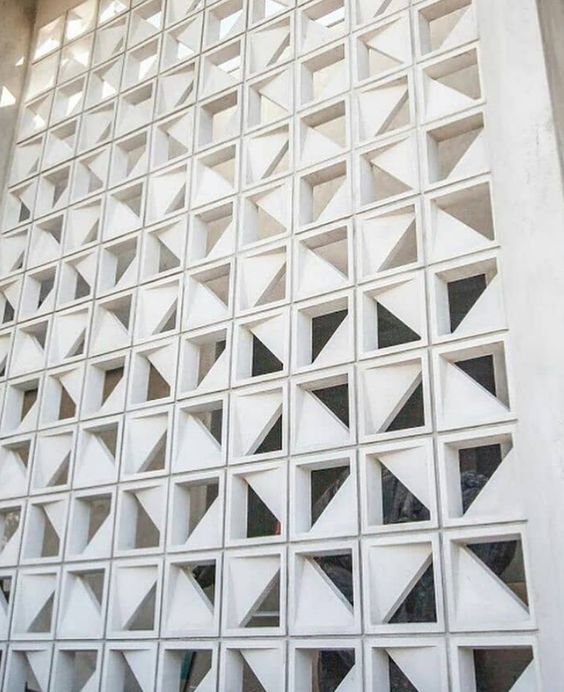
Welcome to the world of architectural innovation, where functionality meets aesthetics in perfect harmony. In the realm of modern construction, one element that often goes unnoticed but plays a crucial role is the ventilation block. These unassuming blocks are the unsung heroes of well-designed spaces, contributing not only to the building’s ventilation but also to its overall visual appeal.
The Importance of Ventilation Blocks:
1. A Breath of Fresh Air: Ventilation blocks are designed to allow the free flow of air while maintaining privacy and security. In a world where energy efficiency is paramount, these blocks play a key role in natural cooling and reducing reliance on artificial ventilation systems.
2. Architectural Elegance: Gone are the days when ventilation was a mere functional aspect of a building. Ventilation blocks are now an integral part of architectural design, adding a touch of elegance and sophistication to both residential and commercial spaces. These blocks come in various patterns, shapes, and sizes, allowing architects and designers to unleash their creativity.
3. Privacy with a View: Ventilation blocks strike the perfect balance between openness and privacy. They create a visual barrier without compromising on the entry of natural light. Whether used in windows, partitions, or façades, these blocks enhance privacy while maintaining a connection to the surrounding environment.
4. Sustainable Building Practices: As sustainability takes center stage in construction, ventilation blocks emerge as sustainable building materials. By harnessing the power of natural ventilation, these blocks contribute to reduced energy consumption, making them an eco-friendly choice for environmentally conscious architects and builders.
5. Versatility in Design: From minimalist modern designs to intricate traditional patterns, ventilation blocks offer a wide range of options to suit diverse architectural styles. The versatility of these blocks allows them to be integrated seamlessly into various building elements, enhancing the overall aesthetic appeal.
Case Studies:
1. The Modern Office Oasis: Explore how ventilation blocks were used to create an open, collaborative office space that promotes a healthy work environment. Learn how the strategic placement of these blocks enhances air circulation and natural light, fostering productivity and employee well-being.
2. Tranquil Residences: Discover residential projects where ventilation blocks serve as both functional and decorative elements. Dive into the design choices that architects made to balance ventilation needs with the desire for a cozy and inviting home.
Conclusion:
Ventilation blocks are more than just building materials; they are a testament to the evolving nature of architecture. As we continue to embrace sustainable practices and prioritize the well-being of occupants, these blocks are set to play an even more significant role in shaping the buildings of tomorrow. So, the next time you admire a beautifully designed structure, take a moment to appreciate the silent contribution of ventilation blocks – the breath of fresh air that brings life to architecture.
 Author Vent Blocks 0 Comments
