
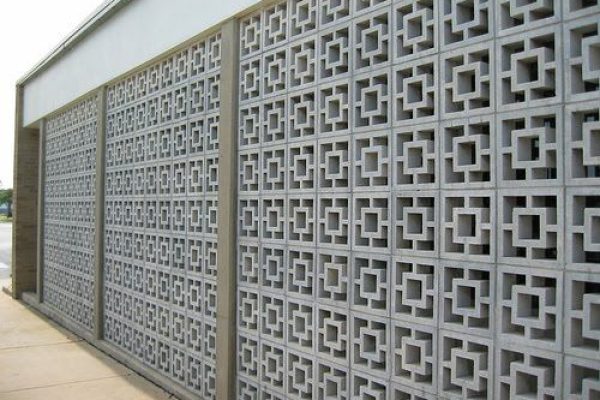
3D Vent Blocks Famously known as Breeze Blocks in Kenya are extremely versatile and you can find many uses for :
- Feature wall
- Partition wall
- Courtyard wall
- Car garage wall
- Patio wall
- Living room
- Outdoor room
- Kitchen table
- Staircase area
- Privacy screen
SIGNIFICANCE OF 3D VENT BLOCKS
Vent blocks, also known as vented concrete blocks or breeze blocks, hold significant importance in various construction and architectural applications. Their significance can be attributed to several key factors:
Ventilation and Airflow Control:
Vent blocks are designed with perforations or voids that allow air to flow through them. This ventilation capability is crucial for regulating air quality and preventing the buildup of humidity, moisture, and stale air in enclosed spaces. Proper ventilation is essential for maintaining healthy indoor environments and preventing issues like mold and mildew growth.
Moisture Management:
Effective moisture control is a vital aspect of building design. Vent blocks aid in moisture management by allowing excess moisture to escape from spaces like basements, crawlspaces, and attics. This helps prevent water damage, rot, and the deterioration of building materials.
Temperature Regulation:
Vent blocks can help control indoor temperatures by allowing for natural airflow. In hot climates, they facilitate the release of hot air from a building’s interior, reducing the need for excessive air conditioning. In colder climates, they can help prevent the buildup of condensation, which can lead to insulation damage and reduced energy efficiency.
Energy Efficiency:
Properly designed ventilation using vent blocks can contribute to energy efficiency. By allowing for passive cooling and reducing the reliance on mechanical HVAC systems, they can lead to energy savings and lower utility bills.
Aesthetic Appeal:
Vent blocks are often chosen for their decorative value. Their unique patterns and designs can add a visually appealing element to a building’s facade, interior walls, or landscaping features. Architects and designers use vent blocks creatively to enhance the overall aesthetic of a structure.
Privacy and Security:
In residential settings, vent blocks can serve as privacy screens or fencing. Their perforated design offers some degree of privacy while allowing airflow, making them suitable for enclosing outdoor spaces or defining boundaries.
Landscaping and Garden Design:
Vent blocks are employed in landscaping to create attractive garden walls, planters, and retaining walls. Their design allows for adequate drainage and prevents water from pooling behind these structures.
In summary, vent blocks offer a combination of functional and aesthetic benefits that make them significant in various construction and design contexts. Their ability to provide ventilation, manage moisture, enhance energy efficiency, and contribute to fire safety makes them a valuable component in the construction industry. Architects, builders, and homeowners use vent blocks strategically to address specific building needs while adding a touch of style to their projects.
